Some people find it particularly challenging to exercise and see it as a chore rather than a form of self-care. While I think that’s a by-product of their thinking, and when we change our thinking, we change our life, I’m not here to judge, and I understand that we’re all on our own health journeys.
Why Movement Matters (There’s No Getting Away From It)
There’s no getting away from it, though…
Exercise and moving our bodies are vitally important for our health, longevity, and ability to live our best lives. I’d recommend everyone find some kind of exercise and movement that they enjoy. If you want a simple framework for where movement fits into the bigger picture, that’s exactly what my free guide to the 6 foundations of holistic health is for.
What Are Exercise Snacks?
Another “strategy” to help you get moving is what I call movement breaks, also known as exercise snacks…
There’s an increasing amount of fascinating research coming out about movement breaks, aka exercise snacks, and how they COULD BE more effective than going to the gym for an hour or two and then staying stationary, or hardly moving, for the rest of the day. The British Heart Foundation, for example, highlights research showing that short, frequent bursts of activity can improve fitness, and that breaking up long periods of sitting benefits everything from blood sugar to brain health.
I’ve been applying this concept for a couple of years, taking short walks every 90 to 120 minutes.
Why Variety of Movement Matters
But as I’ve been learning more about exercise snacks, I realise the importance of variety in movement. While short walks are great, I’m going to incorporate different types of movement into my movement breaks throughout the day.
For example, I may go for a walk during one break, then do a 4-minute Tabata workout during another. I may add some mobility work, or a quick 20-minute resistance training session between projects I’ve set for the day.
The point is to include short movement breaks, anywhere from a couple of minutes to 20 minutes, throughout the day. These soon add up, and before you know it, you’ll have done more than if you’d dragged yourself to the gym!
Exercise Snacks You Can Do Anywhere
One of the great things about movement breaks is that you can do them from anywhere!
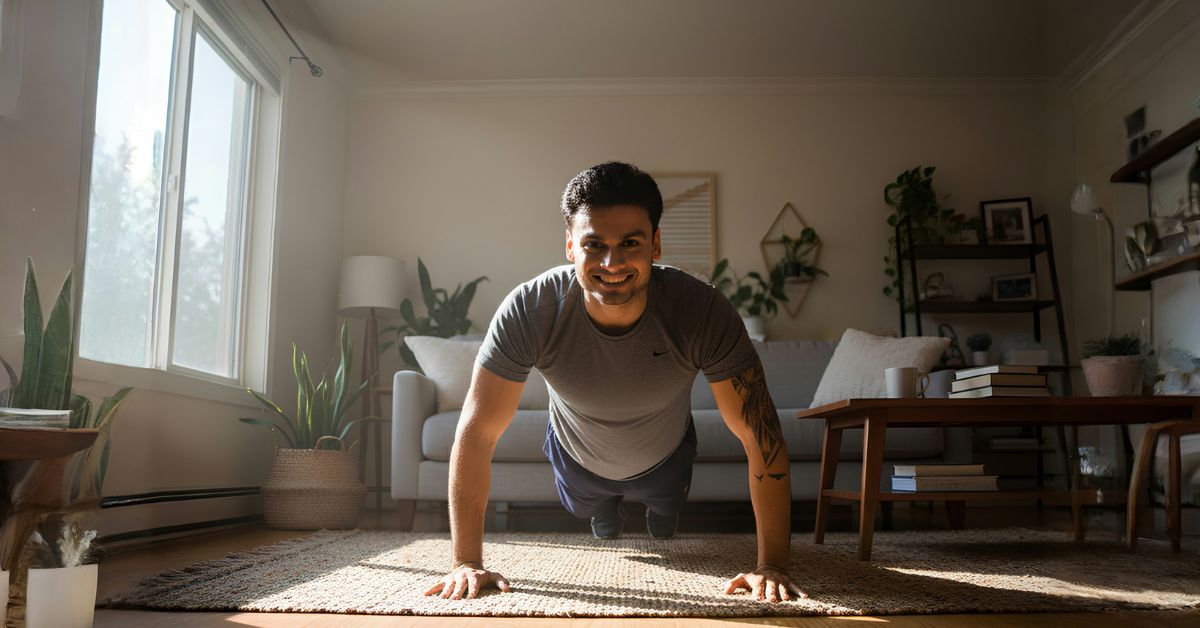
At home? Get down and do some press-ups…
At work? Take a walk on your lunch break…
With family? Encourage them to join you for some squats…
There’s no excuse not to include these short movement breaks throughout your day, and they’re a great alternative to having to get motivated to go to the gym or get changed and go on a 5k run.
Start Today
I highly recommend including a couple of movement breaks throughout your day, starting today, and gradually increasing them over time.
If you like the gym, or (like me) have equipment at home for home workouts, then that’s great. You can incorporate these movement breaks and exercise snacks alongside what you’re already doing.
There’s nothing to lose and perhaps a lot to gain.
Key Takeaways for Exercise Snacks
- What they are: Exercise snacks are short bursts of movement, from a couple of minutes up to around 20, spread throughout your day instead of saved for one session.
- Why they work: Short, frequent bursts can improve fitness and may beat one long gym session followed by a largely sedentary day.
- Breaking up sitting: Frequent movement breaks support blood sugar, cardiovascular health and brain health, according to research highlighted by the British Heart Foundation.
- Variety beats repetition: Mix a walk, a 4-minute Tabata, some mobility work and a short resistance set rather than doing the same movement each time.
- No gym or kit needed: Press-ups at home, a lunchtime walk at work, or squats with family all count, so you can do them almost anywhere.
- They add up: Small bouts accumulate into more total movement than a single trip to the gym.
- Lower barrier to entry: Exercise snacks remove the time and motivation hurdles that stop many people exercising at all.
- Stack, do not replace: If you already train, add exercise snacks on top of your existing routine rather than swapping it out.
FAQs for Exercise Snacks
What are exercise snacks?
Exercise snacks are short bursts of movement, from a couple of minutes up to around 20, spread throughout your day. Also called movement breaks, they include things like a brisk walk, press-ups, squats or a quick resistance set, slotted between tasks rather than saved for one long session.
Are exercise snacks as effective as going to the gym?
Yes, and in some cases they may be more effective. Research highlighted by the British Heart Foundation shows short, frequent bursts of activity can improve fitness, while breaking up long periods of sitting benefits blood sugar and overall health more than one workout followed by a sedentary day.
How often should you do exercise snacks?
Aim for a short movement break every 90 to 120 minutes across your day. Even a couple of minutes counts. The goal is frequency: several small bouts that interrupt long stretches of sitting, rather than one block of exercise followed by hours of stillness.
What are some examples of exercise snacks?
Good examples include a brisk walk, a four-minute Tabata workout, some mobility work, bodyweight press-ups or squats, or a quick 20-minute resistance session. Variety matters, so mix different movements through the day rather than repeating the same one each time.
Do you need equipment to do exercise snacks?
No, you need no equipment at all. You can do press-ups at home, take a walk on your lunch break, or do squats with your family. That is one of their biggest advantages: you can do them almost anywhere, with no kit and no gym.
Can exercise snacks replace a full workout?
They can, but they do not have to. Exercise snacks work well on their own, especially if the gym feels like a chore. If you already train or have home equipment, you can simply stack exercise snacks on top of your existing routine.