If you’ve done any nutrition research, you’ll know that it’s a minefield. There’s so much conflicting advice and information out there that it’s easy to end up more confused than when you started. One expert swears by low-carb. Another says eat more carbs. One demonises fat, the next builds an entire protocol around it.
It’s enough to make anyone throw their hands up and reach for the biscuits.
The One Thing Every Diet Agrees On
But here’s the thing. Beneath all the noise, there’s one universal principle that pretty much every protocol keto, paleo, Mediterranean, and so on agrees on.
And that is…
ULTRA-PROCESSED FOODS ARE BAD!
Think about how rare that is. These diets disagree on almost everything: carbs, fats, meat, dairy, when to eat, how often to eat. Yet they all point at the same culprit. When sources that agree on nothing agree on one thing, it’s worth paying attention to. In a field this noisy, it’s one of the few places you can plant your feet, a bit like how, in my experience, simplicity beats complexity every single time.
What Actually Counts as “Ultra-Processed”?
It’s worth being clear on what we’re talking about, because “processed” has become a bit of a scare word.
Chopping a carrot is processing. Cooking a meal is processing. That’s not the issue.
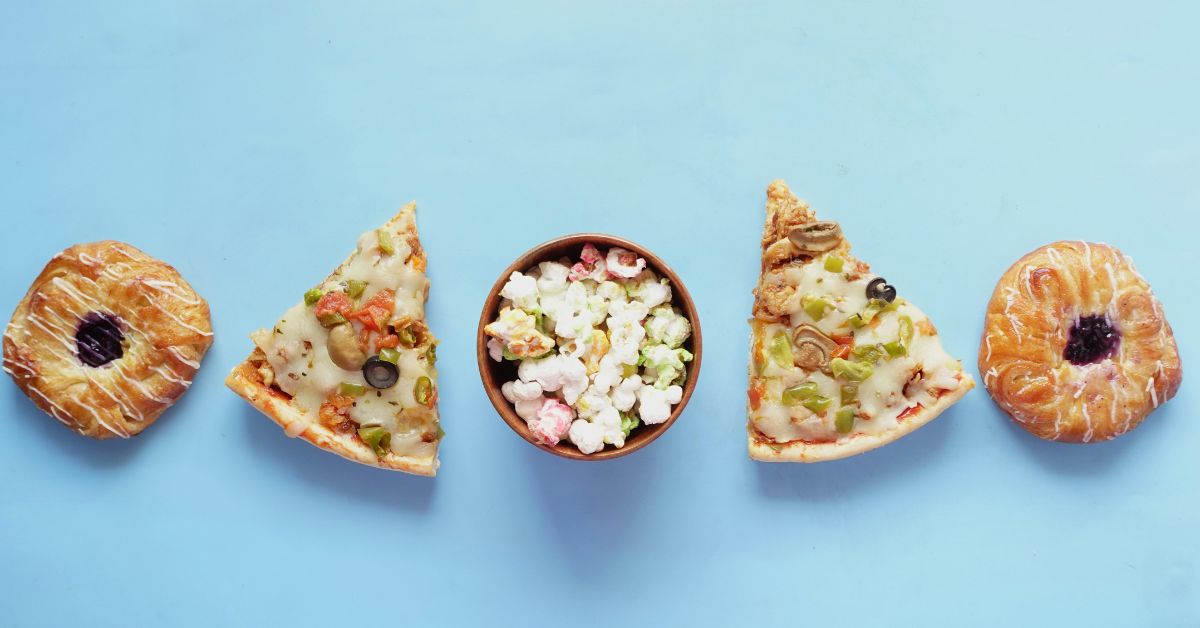
Ultra-processed is a different beast. We’re talking about industrially manufactured products, made with ingredients and additives you’d never find in a home kitchen: emulsifiers, artificial flavourings, colouring, and preservatives, often engineered to be hard to stop eating. Think fizzy drinks, many packaged snacks, mass-produced bread, and most ready meals.
A simple rule of thumb: if you can’t picture the ingredients in your own cupboard, or pronounce half of them, there’s a good chance it’s ultra-processed.
Why This One Principle Matters
This isn’t just a fashionable opinion, either. The evidence is stacking up. A large umbrella review published in the BMJ linked higher intakes of ultra-processed food to more than 30 adverse health outcomes, including heart disease, type 2 diabetes, poorer mental health, and early death.
The strength of the evidence varies from outcome to outcome, and no single food is the be-all and end-all. But the overall pattern is consistent enough that it’s hard to ignore. If reducing one category of food moves the needle on that many outcomes, it’s a category worth taking seriously.
Start With Just One
So it might be an idea to look at the regular ultra-processed foods, if any, that you find yourself eating, and start to make some better choices.
Now, I’m not asking you to overhaul your entire diet overnight. That’s exactly the kind of all-or-nothing approach that has people giving up by the weekend.
Instead, start small. Replace just one ultra-processed food that you eat but don’t even like, let alone love, and cut it out.
Decide that you’re not going to eat that food anymore, and get rid of it.
Decide, in your consciousness, that it doesn’t even exist. It’s not even an option for you. Then build from there.
Here’s the part that makes it stick, though: don’t just subtract; swap. Replace that food with a whole-food alternative you actually enjoy, whether that’s fruit, nuts, yoghurt, or a homemade version of whatever you were buying. If you want to make better choices easier, a healthy-food service like WellEasy can help take the friction out of it.
Keep It Simple and Build From There
It’s a win-win. You don’t even like the food, let alone love it, so why are you eating it in the first place?
Once that one swap becomes second nature, pick another. And another. Before long, you’ve quietly transformed your diet without ever feeling deprived. This is the same back-to-basics thinking behind my free guide to the 6 foundations of holistic health: small, simple, sustainable changes that compound over time.
No fads. No extremes. Just one better choice, built on another.
Try it. And let me know how you get on.
Key Takeaways for Ultra-Processed Foods
- The rare consensus: Keto, paleo, Mediterranean and other diets disagree on almost everything, but all agree that ultra-processed foods are best avoided.
- What counts: Ultra-processed foods are industrially made products with additives you would not find in a home kitchen, not simply cooked or chopped whole foods.
- The evidence: A large BMJ umbrella review linked higher ultra-processed food intake to more than 30 adverse health outcomes, including heart disease, type 2 diabetes and early death.
- Start with one: Cut a single ultra-processed food you do not even enjoy, rather than overhauling your whole diet at once.
- The mindset shift: Decide the food is simply no longer an option, so it stops being a daily decision.
- Swap, do not just subtract: Replace the food with a whole-food alternative you actually like, such as fruit, nuts or a home-made version.
- Why it is easy: If you do not even like the food, removing it costs you little, which is what makes it a win-win.
- Then build: Once one swap sticks, add another, keeping the whole thing simple and sustainable.
FAQs for Ultra-Processed Foods
What are ultra-processed foods?
Ultra-processed foods are industrially manufactured products made with ingredients you would not typically find in a home kitchen, such as additives, emulsifiers and artificial flavourings. They differ from whole or minimally processed foods, and common examples include many packaged snacks, fizzy drinks and ready meals.
Why do all diets agree ultra-processed foods are bad?
Because while diets like keto, paleo and Mediterranean disagree on carbs, fats and food groups, they all point to ultra-processed foods as something to minimise. It is the rare point of consensus in an otherwise conflicting field, which makes it a reliable place to start.
Are ultra-processed foods really that harmful?
The evidence is concerning. A large BMJ umbrella review linked higher ultra-processed food intake to more than 30 adverse health outcomes, including heart disease, type 2 diabetes and early death. The strength of evidence varies by outcome, but the overall pattern is consistent.
How do I start cutting out ultra-processed foods?
Start with just one. Pick an ultra-processed food you eat regularly but do not even enjoy, and decide to cut it completely. Treat it as no longer an option, then replace it with a whole-food alternative you like. Once that sticks, repeat with another.
Do I have to give up all processed food at once?
No, and trying to is often why people fail. Changing one food at a time is more sustainable than overhauling everything overnight. Small, consistent swaps build momentum, and over time they add up to a far less processed diet without the overwhelm.
What can I replace ultra-processed foods with?
Replace them with whole or minimally processed alternatives: fruit, nuts, yoghurt, or home-cooked versions of what you were buying. The goal is a swap you genuinely enjoy, so the change feels like an upgrade rather than a sacrifice, which makes it far easier to stick to.