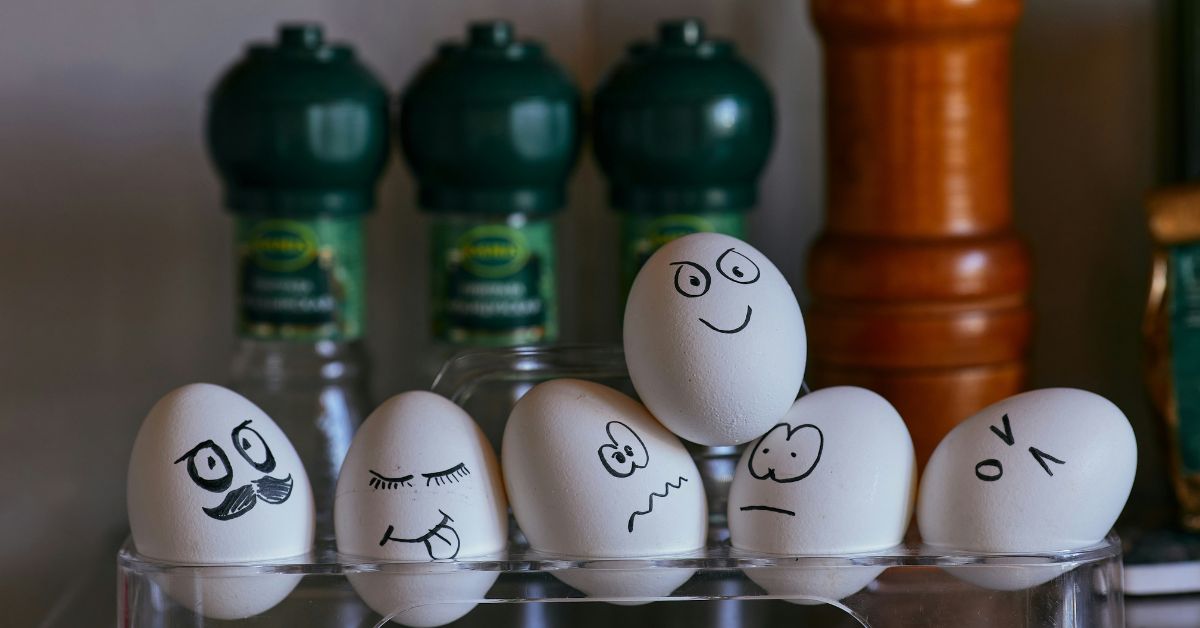
Our feelings and emotions matter. I’ve said it before, and I’ll say it again, because I believe it’s fundamentally true. They’re our felt experience of the world, and without them, there’d be nothing. They’re what give life its colour.
The warmth of a hug from someone you love. The joy and elation of a birthday or a Christmas surprise. The nerves, the butterflies, the anxiousness before you walk on stage to give a talk. All of it, the full range of feeling, exists for a reason. It’s what makes life feel like something, rather than nothing.
When Reacting to How We Feel Works Against Us
The problem starts when we make our decisions based on how we feel in any given moment, changing our minds from one moment to the next, because how we feel can shift that quickly, often before the more conscious, rational part of us has had a chance to catch up and make the call that actually serves our longer-term well-being.
It’s skipping the gym because you don’t feel like it, even though going is nine times out of ten the better choice for your growth and your well-being.
Emotions Are Feedback, Not Instructions
That’s not me telling you to override how you feel, or to judge yourself for feeling it. Our emotions are feedback. They’re signals. Once we start paying conscious attention to them, rather than simply reacting, and get curious, asking “Why am I feeling this way?”, we gain insight we can actually use to grow. There’s decent science behind that instinct, too: putting a feeling into words has been shown to calm the brain’s stress response, rather than letting it run unchecked.
Feelings Move Like the Wind
Here’s the thing worth sitting with: how you feel about something right now probably isn’t how you’ll feel about it in five minutes. Or in an hour. Or tomorrow. Or in a week, or a month. Feelings move like the wind. Reacting to one, in the moment, before it’s had the chance to pass, is what sends us down a path we didn’t need to go down.
So the skill isn’t suppression. It’s capacity: the ability to feel something fully, without immediately reacting to it or judging it, so you can learn from it and grow from it, while still doing the things you said you’d do and keeping the promises you made to yourself. Park it to one side. Stay curious about it. Don’t let it hijack the day. It’s a similar muscle to the one I’ve written about when it comes to navigating pain without getting stuck in it; feeling something fully isn’t the same as living in it.
When a Feeling Isn’t Just a Feeling Anymore
But there’s a different category of feeling, and it’s important not to confuse the two. Feeling lethargic and tired every single day for three months isn’t something to wave away. Chronic sadness, worry, or dread that doesn’t lift isn’t something to frown upon or push to one side either. These are signs that something is genuinely awry, and they deserve our time, energy and attention, not the same shrug we’d give a Tuesday-afternoon mood.
Are Short-Term and Long-Term Feelings Linked?
Are the two connected? Honestly, I’m still working that out for myself. Not feeling like going to the gym might, in theory, connect to a longer-running lethargy. But for most of us, most of the time, it’s simpler than that: it’s a lack of motivation in one specific moment, not evidence of something deeper. Life isn’t always that black and white, and how we choose to regulate what we feel, and when, tends to depend on exactly this kind of judgement call.
Learning to Tell the Two Apart
The real work is building the awareness to tell the two apart. What’s a short-term feeling that will pass like the wind if we let it? And what’s the more chronic, nagging state that we keep returning to no matter what we do, whether that’s a lethargy, a sadness, or an anxiousness that’s been sitting there for longer than we’d like to admit? Once we can see the difference, we can respond properly to each: stop reacting to every passing feeling, while actually doing something about the deeper state we’ve been living in.
This Isn’t Theoretical for Me Either
I’ll be honest, this isn’t theoretical for me. I’m navigating it myself, learning to feel what I feel without reacting to it in the moment, because I know it will pass, while also doing the work on a chronic anxiousness I’ve carried for as long as I can remember, and a tiredness that’s shown up for longer than just a day, a week, or a month.
It isn’t easy. No one said feeling our feelings, properly, would be. But going deeper than the neck and learning to actually feel what we feel instead of managing it away is where the insight lives. That’s how we grow, a reminder that health is a vehicle for growth, not just fitness, and that includes the emotional kind. Not just emotionally, but physically, mentally, and in how we show up for the people around us.
Key Takeaways for How to Stop Reacting to Every Feeling
- Feelings are feedback: Emotions are signals worth questioning, not instructions to act on immediately. Asking “why am I feeling this way” turns a reaction into an insight.
- Feelings move fast: How you feel about something right now is rarely how you will feel about it in five minutes, an hour, a day, a week or a month.
- Capacity, not suppression: The goal is to feel something fully without immediately reacting to it or judging it, then still follow through on what you said you would do.
- Chronic is not casual: Lethargy, sadness or dread that lasts for three months or more is a different category from a passing mood and deserves real attention.
- The two are not always linked: A single moment of low motivation, like skipping the gym once, usually is not evidence of a deeper chronic issue. Most of the time it is just a moment.
- Awareness comes first: Learning to tell a short-term feeling apart from a long-term emotional state is what allows you to respond to each one properly instead of reacting to both the same way.
FAQs for How to Stop Reacting to Every Feeling
What does it mean to feel your emotions without reacting to them?
It means letting yourself fully experience a feeling, such as frustration or low motivation, without immediately acting on it or suppressing it. You acknowledge it, get curious about where it came from, and still follow through on what you had planned, rather than letting the feeling make the decision for you.
How do I stop reacting emotionally in the moment?
Start by pausing before you act and asking why you feel the way you do, rather than judging the feeling or acting on it straight away. Most feelings shift within minutes, hours or a day, so giving yourself that gap is often enough to stop a passing feeling from driving a decision you will regret.
How can I tell if a feeling is short-term or a chronic problem?
A short-term feeling usually passes within minutes, hours or days once you sit with it rather than react to it. A chronic problem is one that keeps showing up in the same way, such as lethargy or sadness lasting three months or more, regardless of what you do about it in the moment.
Is it healthy to ignore how I feel?
No. Ignoring or judging your feelings means missing the feedback they are giving you. The healthier approach is to notice the feeling, question it rather than react to it, and treat it as information about yourself worth learning from, especially if it keeps recurring.
What should I do about a chronic feeling like ongoing tiredness or anxiousness?
Chronic feelings that persist for months deserve real attention rather than being brushed aside as a passing mood. That starts with recognising the pattern honestly, rather than treating it the same way you would a single off day, and giving it the time and support it needs.
Does emotional intelligence mean not having strong emotions?
No, emotional intelligence is not about having fewer or smaller emotions. It is about developing the capacity to feel emotions fully, understand what they are signalling, and choose your response rather than being driven automatically by whatever you feel in that particular moment.