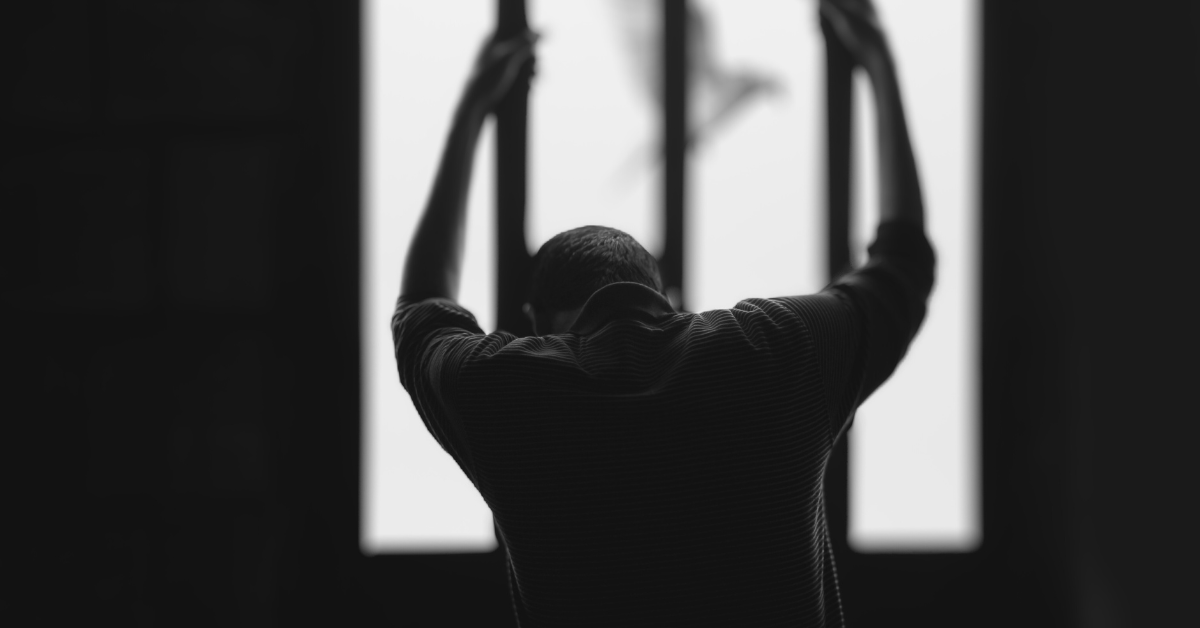
Anxiety, worry, fear, and stress rob us of life.
Sure, there is a certain healthy level, as all emotions have a purpose.
At the end of the day, they’re feedback mechanisms we can learn and grow from.
The challenge is when they run wild. That’s the issue for many.
How Anxiety, Worry, and Stress Spiral Out of Control
When anxiety, worry, our fears, and stressors get out of control, they often spark mental chatter, leading us down negative thought patterns, loops, and a never-ending cycle of thought mentation.
I should know, I experience this all too often.
Not believing every thought I think keeps me honest. So do practical strategies like journaling and reflection.
And, as I’ve shared in past editions, a concept I’ve fallen in love with is this: action is the antidote to anxiety.
Just taking action can help ease our anxieties, but not only that. I’d go one step further and say that action is not only the antidote to anxiety but also to worry, fear, and our stressors.
Why Anxiety Affects Us So Differently
There are many reasons why anxiety, worry, fear, and stress emerge, sometimes outside of our control.
Yet, isn’t it interesting that one event or situation may provoke anxiety in one person and not another?
This signals to me that anxiety, worry, fear, and stress are often linked to our insecurities, personal experiences, and perspectives, basically, how we see ourselves and the world around us.
Facing and Healing Anxiety Through Personal Growth
If we want to stop anxiety, worry, fear, and stress from robbing us of life, isn’t it worth facing them and healing from them instead of letting them control us, our lives, and keep us prisoners?
I don’t know about you, but I don’t want to be trapped or held back by anything or anyone, let alone my own mind.
That’s why I’m such an advocate for the path of personal growth, self-understanding, and discovery.
It’s by consciously walking this path that we shine a light on our inner demons and insecurities. And when we do that, we can begin to let go of them and set ourselves free.
It’s not an easy path. No one said it would be.
When to Seek Professional Help
Sometimes, we need professional help from a therapist, psychiatrist, or similar.
And if that’s the case, it’s nothing to be ashamed of.
In fact, I’m exploring this right now as the next step in my own healing journey, after some anxieties and insecurities were recently triggered (at the time of writing this).
This is when I realised: anxiety, worry, fear, and stress can rob us of life, without us even realising it.
And that’s not what life is about, in my opinion.
How to Stop Anxiety Robbing You of Life
So, what’s the solution?
- Remember not to believe every thought you think.
- Try journaling and self-reflection to explore the depths of your inner world and build self-understanding.
- Find what works for you on your personal growth path
- Seek professional help from a therapist, psychiatrist, or similar if you need it.
And finally…
Remember: we’re all doing the best we can, operating from the highest level of consciousness we can in each moment.
That’s a reminder I need to give myself more than anyone else.
Key Takeaways on Breaking Free from Anxiety
- Action is the Antidote: Taking direct action can be a powerful way to shift your focus and reduce feelings of anxiety, worry, fear, and stress. It moves you from a state of mental looping to one of practical progress.
- Question Your Thoughts: Your thoughts are not always facts. Practise observing them without automatically believing them. This creates distance and helps you break free from negative thought cycles.
- Embrace Personal Growth: Use tools like journaling and self-reflection to better understand your inner world. This path of self-discovery helps you identify the root of your insecurities and begin to heal them.
- Professional Help is a Strength: There is no shame in seeking support from a therapist or psychiatrist. Recognising when you need professional guidance is a courageous step in your healing process.
- Practise Self-Compassion: Always remember that you are doing the best you can with your current level of awareness. Treating yourself with kindness is essential for managing difficult emotions.
FAQs for Break Free from Anxiety, Worry, Fear, and Stress
Why do I feel anxious about things that don’t bother other people?
Your feelings of anxiety, worry, and fear are deeply personal. They are often connected to your unique life experiences, insecurities, and the way you view the world. This is why the same situation can affect two people very differently.
What is the most powerful tool to stop anxiety?
The article suggests that taking action is the most effective antidote. When you feel overwhelmed by anxious thoughts, engaging in a practical step, no matter how small, can break the cycle of worry and shift your mental state.
Is it normal to need professional help for anxiety?
Yes, it is completely normal and a sign of strength. If your anxiety, worry, or stress feels unmanageable, seeking support from a therapist or psychiatrist is a proactive and healthy step to take on your healing process.
How can I stop my negative thoughts from controlling me?
A key strategy is to remember not to believe every thought you have. Your thoughts are not absolute truths. By observing them without judgement, you can detach from their value and prevent them from spiralling into negative loops.
What does it mean to have self-compassion when I feel stressed?
It means reminding yourself that you are doing the best you can in any given moment. Life is a process, and you are operating from your current level of consciousness. Self-compassion involves replacing self-criticism with kindness.