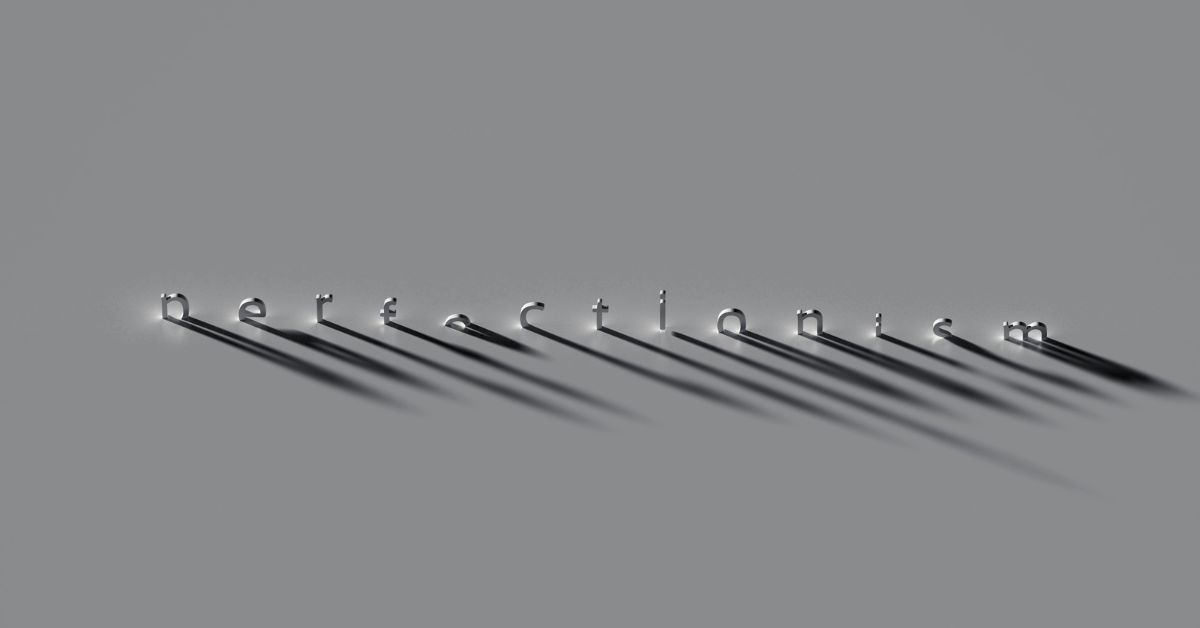
No matter what endeavour we undertake, there is no such thing as perfectionism.
There is just doing the next step, then the next step, then the next step, learning as we go, being adaptable, resilient and consistent along the way.
The Illusion of Perfection
This lesson took me a long time to understand, and honestly, my perfectionist tendencies still often rise. They cause more stress and mental anguish than is probably deemed healthy.
Where Perfectionism Comes From
It’s a scale that we all sit on, and I’ve come to learn that there are different types, from believing we need to be perfect to believing we need to be seen as perfect.
Each has slightly different underlying factors, but the bottom line still results in perfectionism, which can often get in the way.
The Difference Between Excellence and Perfection
We mistake perfectionism for seeking excellence. The difference lies in whether what we’re pursuing, or the outcome of the thing we’re pursuing, is rooted in our self-worth and self-esteem, achieving some elusive outcome that we think will fix ourselves because we’re just not enough as we are.
The truth is that nothing is perfect, not even ourselves, and that’s okay. This creates room for growth and is an opportunity to see what’s possible.
Whether we’re planning a project, setting personal goals or embarking on a new venture, everything lies on sliding scales and carries a plethora of positives and negatives.
The question is: are we aware of them?
And, what are the costs we are willing to pay?
The Hidden Costs of Perfectionism
Whether we seek perfection, internally or externally, it’s all an illusion, often rooted in insecurity and fear.
Most of us don’t want to admit this to ourselves and push it down into our subconscious. We’re under the illusion that it’s safe there and that we can get on with our lives.
Sure, we can still operate functionally. However, that doesn’t mean it comes without consequences, which often affect our mental, physical and social well-being. Studies show that perfectionistic tendencies carry correlations with symptoms of anxiety, obsessive-compulsive disorder, and depression across children, adolescents, and adults.
True Honesty With Ourselves
But what if we were really, really, really honest with ourselves? What truths would we be willing to admit and uncover? And how would that change the trajectory of our lives?
This doesn’t just apply to our perfectionist tendencies; it stands for every area of our lives.
And these are some of the questions I believe we are to ask ourselves if we want to live our best lives possible.
My experience shows that if we live under this weird kind of self-deception, it has a great impact on our entire lives.
Just think of it this way: if we can’t be honest with ourselves, how can we be honest with others?
Therefore, this affects all of our relationships, from loved ones to everyone we meet.
And, for the most part, it’s all rooted in our insecurities and fears.
Insecurities, Fears, and Self-Work
The reassuring thing is that we all have them!
We all have insecurities and fears. The difference lies in how much we allow them to dictate our lives and stop us from doing the things we want to do and being the person we want to be.
For example, through self-work, developing mental fortitude and building the skills, many have pushed through their fears and experienced (and continue to experience) life on the other side.
Many continue to face their insecurities and do the work required to live a fulfilling life despite them.
Growth Through Imperfection
None of this is a walk in the park…
It takes time, energy and a vulnerable willingness to embrace the fact that we have imperfections, demons, insecurities and fears to work through, and that this is part of being human.
Through conscious personal growth and self-work, we realise that they aren’t our destiny and they can be chipped away at. That doesn’t mean we will ever be free from them, but it does mean that, one small step at a time, we can live a better, healthier, more fulfilling life, and surely that’s the ultimate goal.
Bringing It All Together
Bringing this back around full circle…
Perfectionism is often tied up in our insecurities and fears. And while they may all feel like a life sentence through self-work and conscious personal growth, we’re able to develop and learn the skills, practices and mental models (ways of thinking and being) to help us show up in the world better to live a healthier life, our best life possible, and not be a victim to the less helpful parts of ourselves.
I believe that, seeing as we’re only here once, at least in the form of being human, this is a worthwhile quest for all of us to take on.
Perfectionism is an illusion. Everything has a cost.
Through self-work, we’re able to see this more clearly and chip away at these tendencies to live our best lives possible while we can.
Remember this the next time you’re trying to seek perfection.
The Key Takeaways on Perfectionism
- Perfection is an Illusion: Understand that perfection doesn’t exist. Progress comes from taking one step at a time, learning as you go, and being adaptable, not from trying to achieve a flawless outcome from the start.
- Excellence vs. Perfection: Recognise the difference between healthy striving and harmful perfectionism. Seeking excellence is about growth, while perfectionism often links your self-worth to an impossible standard, driven by the feeling that you are not enough as you are.
- The Hidden Costs: Be aware that perfectionism, often rooted in fear and insecurity, has real consequences. It can negatively affect your mental, physical, and social well-being, even if you feel you are functioning well on the surface.
- The value of Honesty: Practising radical honesty with yourself is crucial. Acknowledging your perfectionist tendencies and their origins is the first step to changing their impact on your life and your relationships with others.
- Everyone Has Insecurities: You are not alone in having fears and insecurities. The goal isn’t to eliminate them but to develop the mental fortitude through self-work to prevent them from dictating your choices and holding you back.
- Growth Happens in Imperfection: True personal growth comes from embracing the fact that you are imperfect. It requires a willingness to work through your challenges, chipping away at them over time to live a healthier, more fulfilling life.
FAQs for Perfectionism Is an Illusion: What Really Holds Us Back
What is the main difference between seeking excellence and perfectionism?
Seeking excellence is a healthy pursuit of growth and improvement, accepting that bumps along the road are part of the process. Perfectionism, however, ties your self-worth to achieving an impossible, flawless outcome and is often rooted in a fear of not being good enough.
Where do perfectionist tendencies usually come from?
Perfectionism often originates from deep-seated insecurities and fears. It can be a defence mechanism, driven by a belief that you need to be perfect or that others must see you as perfect to be worthy.
Can perfectionism actually harm my well-being?
Yes, absolutely. While it might feel like you’re just aiming for high standards, perfectionism can cause significant stress and mental anguish. It often leads to procrastination, burnout and can negatively impact your mental, physical, and social health.
How can I start overcoming perfectionism?
The first step is being completely honest with yourself about these tendencies and the fears behind them. Self-work, developing resilience, and focusing on consistent small steps rather than a perfect final product are key to making progress.
Is it possible to get rid of perfectionism completely?
The goal isn’t necessarily to eliminate it entirely, as these tendencies can be deeply ingrained. Instead, the aim is to reduce its control over your life. Through self-work, you can learn to manage these thoughts and prevent them from stopping you from living a full and authentic life.